Practical gardening, season by season
Gartenblatt is an editorial magazine for people who work their own plot in Germany and want to understand what the garden is doing, week by week. Raised beds, perennials, tomatoes, a lawn that has seen better days, a small greenhouse at the end of the path: we write about the ordinary tasks that decide how a season turns out.
Six editorial threads run through the magazine, from garden care and vegetable growing to lawn work and seasonal timing. Start with the overview, then follow whichever thread matches the work in front of you this month.
See how the categories connectThe magazine is built to be read in small sittings, and the easiest way in is a single piece of work: one raised bed, one border, one stretch of lawn. Browse the guides that match what is in front of you this week, or write to the editorial desk in Berlin if you want to point us toward a subject we have not covered yet.
Still deciding where to begin? The seasonal walk-throughs show how the six categories fit together across a year, and the about page explains how Gartenblatt is put together.
Editorial desk: Friedrichstraße 68, 10117 Berlin, Germany. contact@varmintbeer.com, +49 162 5880187.
These are editorial scenarios, not client records. Each one sketches a common garden situation, the steps that usually follow, and the kind of outcome a patient gardener can reasonably expect. They are written to show how Gartenblatt treats a subject: plainly, in order, and without promising more than the soil gives back.
Read them as worked examples. Names, plots and measurements are left out on purpose.
Situation: a wooden bed filled in one go with cold topsoil, sown early, with patchy germination. Actions: the bed is refilled in layers with compost and drainage material, left to settle, then sown again once the soil holds warmth. Result: more even emergence and fewer gaps to replant.
Scenario, not a documented caseSituation: an autumn tidy-up leaves bare borders and no winter structure. Actions: stems and seed heads stay standing through frost, with a spring cut timed to new growth at the base. Result: a border that holds shape in January and still starts cleanly in April.
Scenario, not a documented caseSituation: yellowing and curled edges appear in a greenhouse in midsummer. Actions: watering rhythm, feed and airflow are checked one at a time before any leaf is removed. Result: a clearer diagnosis and less panic pruning than reaching for the secateurs first.
Scenario, not a documented caseSituation: scarifying and feeding on soft, wet ground in an early spring. Actions: the calendar is reordered around firm soil and visible growth, with the first cut and overseeding moved later. Result: a lawn that recovers through spring instead of thinning out into summer.
Scenario, not a documented caseSituation: scattered vertical accents make a small plot feel closed in. Actions: height is grouped along one boundary and repeated once, with sightlines from the kitchen window checked first. Result: a garden that reads deeper without adding a single square metre.
Scenario, not a documented caseSituation: tender plants held on under glass as light drops and condensation builds. Actions: ventilation routines change with the shorter days, and crops are chosen for what still grows rather than what merely survives. Result: less damping-off and a more honest view of what the season allows.
Scenario, not a documented caseA magazine built around the working garden: what to do this week, why it matters, and how to tell whether it worked. No shopping, no account, no noise.
A seasonal order of work The calendars put digging, sowing, pruning and mowing in a sequence that follows soil temperature and daylight, so you stop guessing whether it is too early in March or already too late in October.
Plain instructions you can follow outdoors Guides are written in short steps with ordinary words, sized for reading on a phone at the raised bed or printed for the shed wall. You get the task, the tools and the sign that it is finished.
Six categories that connect Garden care, flowers and plants, vegetable growing, garden design, lawn care and seasonal tips are treated as one rhythm rather than separate silos, because a tomato bed, a border and a lawn all answer to the same weather.
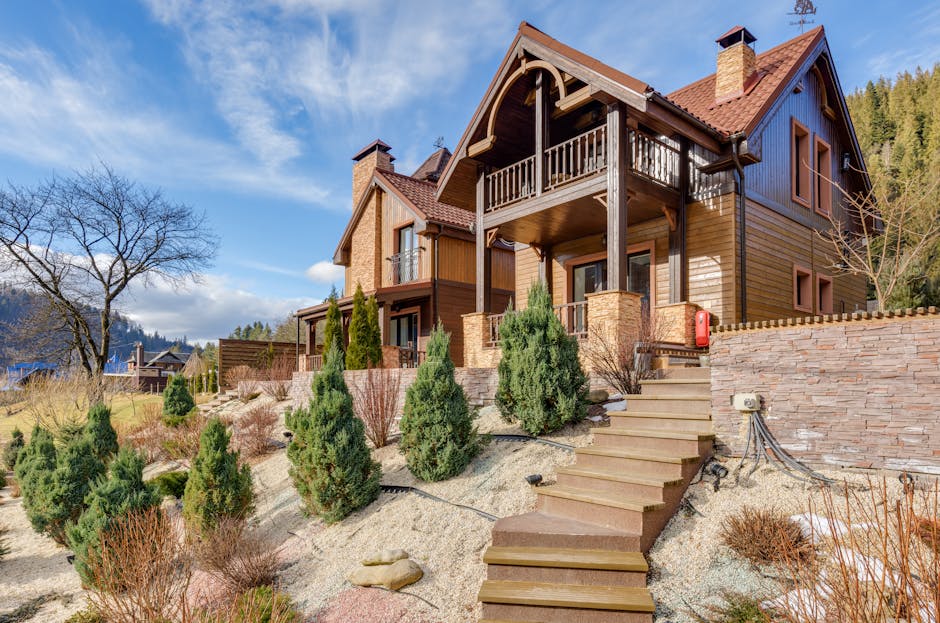
Photography that shows the real thing Photo-led features look closely at raised beds, perennials after frost, greenhouse condensation and narrow plots, so you can compare what you see in your own garden with what the article describes.
An honest starting point Beginner tutorials assume no prior knowledge and no special equipment, and they say plainly when a method depends on region, soil or a cold snap you cannot control.
Written for gardeners roughly 45 to 75 across Germany, with calm typography and generous spacing. Start with the beginner guides, or read how the magazine is put together on the about page.
This banner stores only your decision in this browser's local storage, under the key gartenblatt_consent. Nothing else is recorded here, and no cookie is written. You can change your mind later by clearing site data in your browser. Read more in our privacy policy.